
Quick answer: The debt snowflake method means sending small, irregular extra payments to your debt whenever you find a little spare money: a canceled subscription, a cashback payout, a skipped takeout order. Each payment looks tiny, but dozens of them over a year can knock real dollars and months off your balance. It works best as an add-on to a structured plan like the debt snowball or avalanche, not a replacement for one.
Key takeaways
- Snowflakes are small, irregular extra payments ($5 to $50) made the moment you find the money.
- They are not a full payoff plan. They supercharge the plan you already have.
- Always aim snowflakes at one target: your snowball debt or your highest-rate debt.
- Tracking each payment is what keeps the habit alive and the math visible.
- Check that extra payments go to principal, not to next month’s payment.
If you have ever thought, “What’s the point of an extra $12 on a $9,000 balance?” this guide is for you. The point is the math, and the math is surprisingly kind to small, frequent payments. Let’s walk through it.
Want to see whether a lower rate could make every snowflake work harder? You can request free options to lower your interest rate using the form on this page.
What Is the Debt Snowflake Method?
The debt snowflake method is a habit, not a formula. Whenever a small amount of money shows up unexpectedly, you immediately send it to a debt instead of letting it dissolve into your checking account.
The name is a playful nod to the debt snowball. A snowball is a big, planned payoff strategy. A snowflake is one light, easy payment. Enough of them pile up.
Common snowflake sources include:
- Found money: a refund, a returned item, a $20 rebate, a Venmo repayment from a friend.
- Skipped spending: you meant to grab a $6 coffee but made it at home.
- Cut costs: a canceled streaming service or a renegotiated phone bill.
- Small earnings: selling an old item online or a few hours of side work.
- Rounding up: rounding each payment or paycheck deposit up to the next $10.
The key rule: send the money to the debt right away. A snowflake that sits in checking for a week usually gets spent.

Why Small Payments Matter More Than You Think
Interest on most credit cards and personal loans is calculated on your balance, often daily or monthly. Every dollar you remove from the balance stops generating interest right away. That makes early, small payments more powerful than they look.
Here is a simple, illustrative example. These numbers are estimates for demonstration, not a promise of your results:
- Balance: $6,000 on a credit card at 24% APR
- Regular payment: $200 per month
- Snowflake habit: an extra $15 per week, about $65 per month
With only the $200 payment, the card takes roughly 41 months to pay off and costs around $2,200 in interest. Adding about $65 a month in snowflakes brings the payoff down to roughly 27 months, with interest near $1,400. That is about 14 months sooner and roughly $800 saved, from a habit that feels like pocket change.
Run your own balance, rate and extra amount through the debt payoff calculator to see your personal debt-free date.
A $15 payment is not small when it lands on a 24% balance every single week.
Where to Find Snowflake Money
You do not need a side hustle or a raise. Start by hunting through spending you already control.
The 10-minute snowflake audit
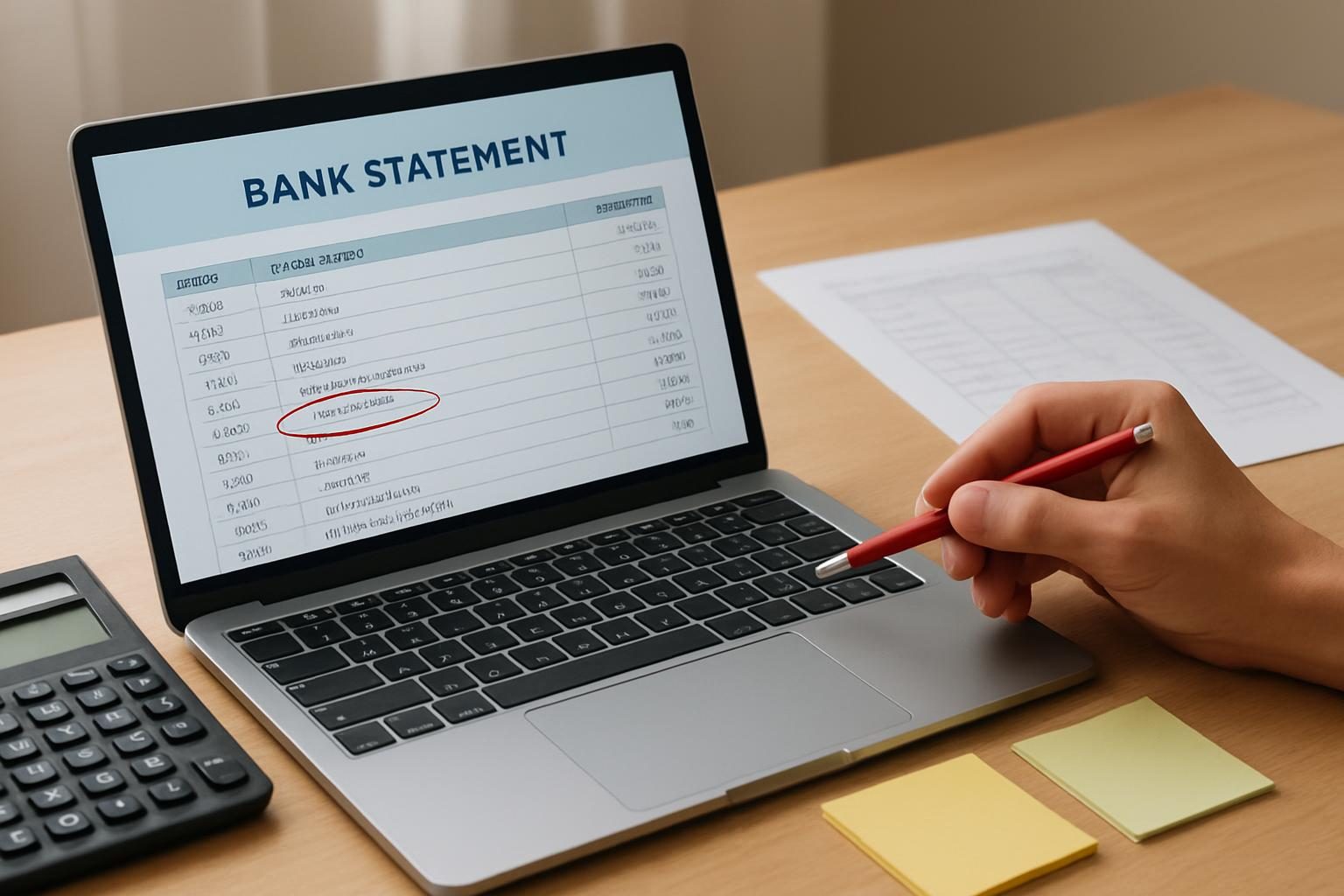
- Scan the last 60 days of bank and card statements for subscriptions, fees and repeat small purchases.
- Circle anything you forgot about or barely use. Even $8 a month adds up to $96 a year.
- Cancel or downgrade at least two items today, then send the first month’s savings to your debt.
- Call one provider (internet, phone or insurance) and ask for a lower rate. Savings of $10 to $30 a month are common but not guaranteed.
- Set a weekly reminder to move any leftover change in checking to your target debt.
Want a more structured way to do this? A 30-day no-spend challenge is a snowflake factory, since every skipped purchase becomes a payment. The 52-week money challenge chart is another way to turn tiny, scheduled amounts into a large total.
Pro tip: Make it automatic where you can. A recurring $10 transfer every Friday is a snowflake you never have to remember.
How to Combine Snowflakes With the Snowball or Avalanche
The snowflake method shines when you stack it on a real plan. On its own, scattering $10 across five different debts spreads the benefit too thin. Pair it with one of these two approaches.
Snowflakes plus the debt snowball
The snowball targets your smallest balance first, while you pay minimums on everything else. Send every snowflake to that smallest debt. Small balances disappear fast, and each win frees up its old payment to roll into the next debt. If you want the full walkthrough, the debt snowball worksheet gives you a fill-in plan.
Snowflakes plus the debt avalanche
The avalanche targets the highest interest rate first, which usually saves the most money overall. Send snowflakes to your highest-APR debt. Our guide to the debt avalanche method covers the steps and the math.
Which target should snowflakes hit?
- Need momentum? Pick the snowball target. Quick wins keep you going.
- Want the lowest total interest? Pick the avalanche target.
- Not sure? Read the overview in our debt payoff plans guide and choose the one you will actually stick with.
Either way, use one target at a time. Focus is what makes small money feel big.
Snowflakes do not replace your plan. They are the fuel that makes your plan finish sooner.
Snowflake Examples for Different Debts
The method works on almost any balance, but the details change slightly by debt type.
- Credit cards: Pay as often as you like. Many issuers let you make several payments per month, which keeps your daily balance lower.
- Student loans: Ask your servicer how to direct extra money to principal and the highest-rate loan. See how to pay off student loans fast for nine moves that work.
- Car loans: Small extra payments can trim months from a loan, but confirm there is no prepayment penalty first. Our guide on whether to pay off your car loan early lays out the math.
- Mortgages: Even $25 extra a month toward principal helps over decades. Try the extra mortgage principal payment calculator to see the effect.
- Buy now, pay later: Snowflakes can clear a small pay-in-4 plan quickly. Read about getting out of the buy now, pay later trap.
For installment loans and mortgages, always confirm the extra amount is applied to principal, not treated as an advance on your next payment. The Consumer Financial Protection Bureau at consumerfinance.gov explains your rights and how to check how your payments are applied.
Track Every Snowflake So the Habit Sticks
Small wins are easy to forget. A tracker turns them into visible progress, which is the real engine of motivation.
Try this simple system:
- Create a snowflake log with three columns: date, source, amount.
- Add up the total every Sunday and record your new balance.
- Color in a tracker each time you hit a milestone. Our free debt payoff tracker printables include thermometer, snowball and coloring charts.
- Celebrate cheaply. Reaching $100 in snowflakes deserves a high-five, not a shopping trip.
If you prefer a digital option, the free debt snowball spreadsheet can hold your log and update your payoff date automatically. For more motivation ideas, our debt payoff challenges page collects games that make saving feel less like a chore.
A natural next read is how to stay motivated paying off debt, which goes deeper on keeping your streak alive.
Make Every Snowflake Count With a Lower Rate
Snowflakes cut your balance. A lower interest rate cuts the cost of carrying it. Doing both is a powerful combination.
Options worth exploring include a 0% balance transfer card, a consolidation loan, or refinancing a student, auto or mortgage loan. Each has trade-offs such as transfer fees, credit requirements and loan terms, so run the numbers first. The balance transfer calculator and our balance transfer guide can help you decide whether a 0% card would truly save you money.
You can also see what rates might be available by visiting our lower your rate options page. When you are ready, request free, no-obligation rate-lowering options with the form on this page.
Frequently Asked Questions
Is the debt snowflake method the same as the debt snowball?
No. The snowball is a payoff order: smallest balance first. Snowflakes are small, irregular extra payments you can add to any plan, including the snowball or avalanche.
How much should a snowflake payment be?
Any amount counts. Many people start with $5 to $50 per payment. What matters is consistency and sending the money to debt right away.
Can snowflake payments really save me money?
Yes, because they reduce the balance that interest is charged on. The savings depend on your rate, balance and how often you pay. Use a payoff calculator to estimate your own numbers, since results vary.
Should I use snowflakes if I have no emergency fund?
Many people keep a small starter cushion, often a few hundred to a thousand dollars, so a surprise bill does not push them back onto a credit card. Consider your own situation, and talk with a qualified financial professional if you are unsure.
Get free options to lower your interest rate
A partner will share free, no-obligation options so your extra payments go further.
