Quick answer: Paying off your car loan early usually makes sense when your interest rate is higher than what your cash would earn elsewhere, and when you have no prepayment penalty or precomputed interest. Every extra dollar sent to principal cuts the interest you pay for the rest of the loan. Check your contract first, then run the numbers.
Key takeaways
- Extra payments on a simple-interest car loan save real money, and the savings grow when the rate is above roughly 6-7%.
- Prepayment penalties are rare on auto loans but worth a 5-minute check; precomputed interest loans are the bigger trap.
- Paying off a car loan early may cause a small, temporary credit score dip, but it is not a reason to keep the debt.
- Build a starter emergency fund and clear higher-rate debt (like credit cards) before aggressively prepaying a low-rate car loan.
If you are staring at a monthly car payment and wondering whether to attack it, you are asking the right question. The answer comes down to a few numbers you can pull from your loan statement in about ten minutes. This guide walks through the math, the fine print and the myths so you can decide with confidence.
Want to see whether a lower rate would shrink your payoff timeline before you add extra payments? You can request a free auto refinance quote using the form on this page.
How Early Payoff Saves You Money: The Interest Math
Most car loans use simple interest: interest accrues daily on your remaining balance. Pay down principal faster and the next day’s interest is smaller. That is the whole engine behind paying off a car loan early.
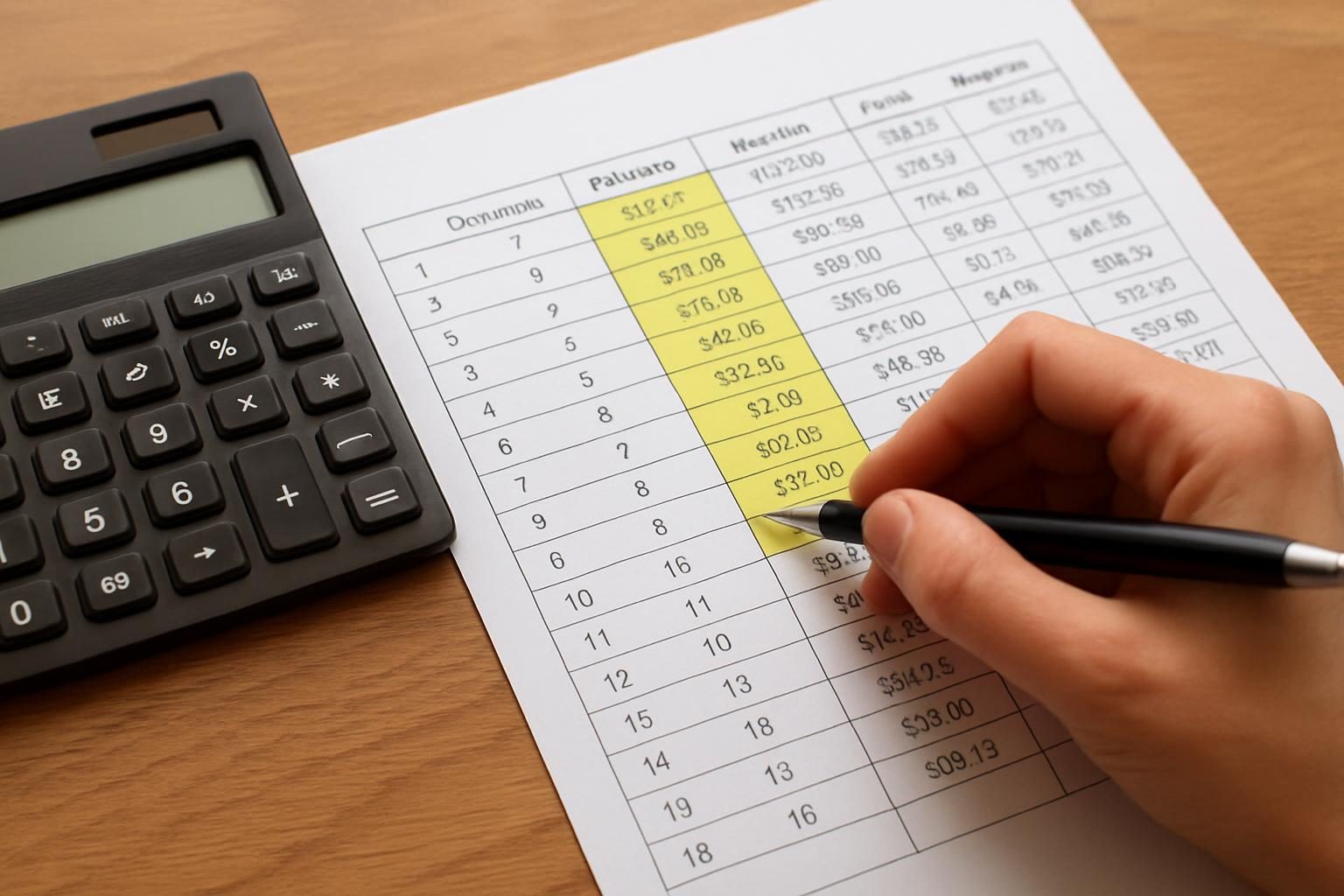
Here is an illustrative example (these are estimates for demonstration, not a quote):
- Loan: $28,000 at 8% APR for 60 months
- Standard payment: about $568 per month
- Total interest over the full term: about $6,100
- With an extra $150 per month: paid off in roughly 45 months, with total interest around $4,500
- Result: about $1,600 saved and roughly 15 months of payments eliminated
The higher your APR and the longer your remaining term, the bigger the payoff. A 3% loan saves far less than a 12% loan, which is why your rate is the first number to check.
Pro tip: When you make an extra payment, tell your lender to apply it to principal only. Otherwise some lenders treat it as an early payment on next month’s bill, which saves you nothing.
Not sure how much a different extra payment would save? Plug your balance and rate into the Debt Burn-Down Calculator and compare scenarios side by side.
The Pros of Paying Off Your Car Loan Early
- Lower total interest. This is the biggest, most concrete benefit, as the example above shows.
- More monthly cash flow. Once the loan is gone, that payment is yours to redirect to savings, other debt or investing.
- Less risk of owing more than the car is worth. Cars lose value quickly, so paying down principal faster helps you avoid negative equity if the car is totaled or you need to sell.
- A guaranteed return. Paying off an 8% loan is the same as earning a risk-free 8% on that money. Few safe investments match that.
- Peace of mind. Owning the car outright simplifies your budget and your life.
If you are already following a structured plan, an auto loan fits neatly into the Burn-Down Plan for paying off debt fast.
Paying off a loan at 8% is a guaranteed 8% return, with no market risk attached.
The Cons and Tradeoffs to Weigh First
Early payoff is not always the best use of cash. Pause if any of these apply:
- You have no emergency fund. Cash locked into a paid-off car cannot be pulled back out. Many people aim for at least a starter buffer of one month of expenses, then build toward three to six months.
- You carry higher-rate debt. A credit card at 22% costs far more than a car loan at 6%. Hit the expensive balance first, which is the logic behind the debt avalanche method.
- Your rate is very low. At 0-4%, your cash may do more work in a high-yield savings account or an employer 401(k) match.
- You would drain liquidity. Lump-sum payoffs feel great but leave you exposed if the transmission fails next month.
A balanced approach: split your extra cash between the emergency fund and the loan until the buffer is solid, then send everything to principal.

Prepayment Penalties and Precomputed Interest: Read Your Contract
Two contract details can quietly erase your savings. Check both before you send a dollar extra.
Prepayment penalties
Some lenders charge a fee for paying off a loan ahead of schedule. They are uncommon on auto loans today, and some states restrict them, but they exist. Look in your loan agreement for terms like “prepayment,” “early payoff” or “early termination,” or call the lender and ask directly. Get the answer in writing if a fee applies.
Precomputed interest loans
A precomputed interest loan calculates the total interest upfront and bakes it into your payment schedule. Paying early may save little or nothing, because much of the interest is front-loaded or owed regardless. Some lenders use methods such as the Rule of 78s, which front-loads interest into early payments. This setup is more common with subprime or buy-here-pay-here financing.
- Simple interest: interest accrues on the remaining balance, so early payoff saves money.
- Precomputed: interest is set in advance, so early payoff may save little. Ask for a payoff quote showing exactly what you would owe today.
If you are stuck with a precomputed loan at a high rate, refinancing into a simple-interest loan may be the smarter move than prepaying. Our car loan payoff guide covers how to compare your options, and a planned article on how car loan refinancing works will go deeper.
Before prepaying, confirm your loan uses simple interest. Precomputed interest can make extra payments nearly pointless.
The Credit Mix Myth and Your Credit Score
A common worry: “Won’t paying off my car loan hurt my credit?” The honest answer is that you might see a small, temporary dip, but it should not drive your decision.
- Credit mix is a minor factor. It is a small slice of the score. Having installment and revolving accounts helps a little, but you should never pay interest just to keep an account open.
- Closed accounts in good standing stay on your report. A paid-off loan with on-time history typically remains for years and keeps helping your history.
- The dip, if any, is usually small and short-lived. It can happen because an active account closes and the average age or mix shifts slightly.
- Payment history matters most. On-time payments and low credit card utilization carry far more weight than whether you hold an auto loan.
Paying thousands in unnecessary interest to protect a few score points is a bad trade. If you are planning a mortgage application in the next few months, though, it can be reasonable to time a payoff after closing. For details on how scoring works, the Consumer Financial Protection Bureau offers plain-English explainers.
How to Pay Off Your Car Loan Early: Step by Step
- Pull your loan details. Find your current balance, APR, remaining term and monthly payment.
- Confirm the interest type and fees. Ask the lender if the loan is simple interest and whether any prepayment penalty applies.
- Choose your method. Options include adding a fixed extra amount each month, making biweekly half-payments (which yields one extra payment per year), rounding up your payment, or applying windfalls like tax refunds.
- Specify principal-only. Use your lender’s online option or note it on the payment so extra funds reduce the balance.
- Check for a lower rate. If your credit has improved since you bought, a refinance may cut your APR and make every extra dollar work harder. Request a free auto refinance quote to see what rate you could qualify for.
- Track progress. Watching the balance fall keeps you motivated; a car loan payoff calculator can show how each extra payment shortens your timeline.
Need extra cash flow to fund those payments? A short money challenge can help; see our debt payoff challenges for ideas.
Ready to see whether a lower rate could speed up your payoff? Request a free auto refinance quote using the form below. This is general education, not personalized financial advice, so consider talking with a qualified professional about your situation.
Frequently Asked Questions
Is it smart to pay off a car loan early?
It often is if your APR is meaningfully higher than what your savings earn, you have an emergency fund and you carry no higher-rate debt. With a very low rate, you may be better off directing extra cash elsewhere.
Does paying off a car loan early hurt your credit score?
It can cause a small, temporary dip, but the effect is usually minor. Payment history and credit utilization matter far more, and the closed account typically stays on your report as a positive record.
How do I know if my loan has a prepayment penalty?
Read your loan agreement for terms like “prepayment” or “early payoff,” or call your lender and ask. Also ask whether your loan uses simple or precomputed interest, since the latter can limit savings.
Should I pay off my car or build savings first?
Most people do best building a starter emergency fund first, then splitting extra cash or moving fully to the loan once the buffer is solid. High-interest credit card debt generally takes priority over both.
Get a free auto refinance quote to lower your rate
A partner will review your options for a lower car loan rate, free and with no obligation.