Quick answer: A Klarna payment plan splits a purchase into scheduled installments, either a short Pay in 4 or a longer monthly financing plan. To pay it off, list every plan with its due dates and remaining balance, pay on time, and put any extra cash toward the plan that costs you the most or clears fastest. Treat BNPL as real debt in your payoff plan, not as free money.
Key takeaways
- Pay in 4 and longer financing work differently: the first is usually a few short installments, the second can carry interest.
- Multiple small plans add up fast. Track every due date and total remaining balance in one place.
- Check your own plan terms for early payoff options and any fees before sending extra money.
- Small BNPL balances are natural snowball targets, because each one you finish frees up a payment.
- Stop adding new plans while you pay down the old ones.
Buy now, pay later feels painless at checkout. Four payments of $30 sounds like nothing until you have six of them running at once. Here is how a Klarna payment plan works and how to pay it off on purpose, with plain math.
Want a lower interest rate on your other balances while you clear BNPL? You can request free options to lower your rate using the form on this page.
How a Klarna payment plan works: Pay in 4 vs longer financing
Klarna offers more than one way to split a purchase. The terms you see depend on the merchant, the purchase amount and your approval, so always read the details shown at checkout and in your app.
- Pay in 4: The purchase is split into four installments, typically with the first due at checkout and the rest spaced a couple of weeks apart. These plans are commonly interest-free when payments are made on time.
- Longer monthly financing: Larger purchases may be spread over several months or longer. These plans can carry interest, and the APR is shown before you confirm.
- Pay in 30 days style options: Some purchases let you pay after delivery. Confirm the due date, since missing it can trigger fees.
The key difference is cost. A short interest-free plan costs you nothing extra if you pay on schedule, while a longer plan has a real interest charge you can calculate. If you miss a payment, late fees or other consequences may apply, so see our guide on what happens if you miss a BNPL payment.
Why BNPL balances stack up (and how to see the real total)
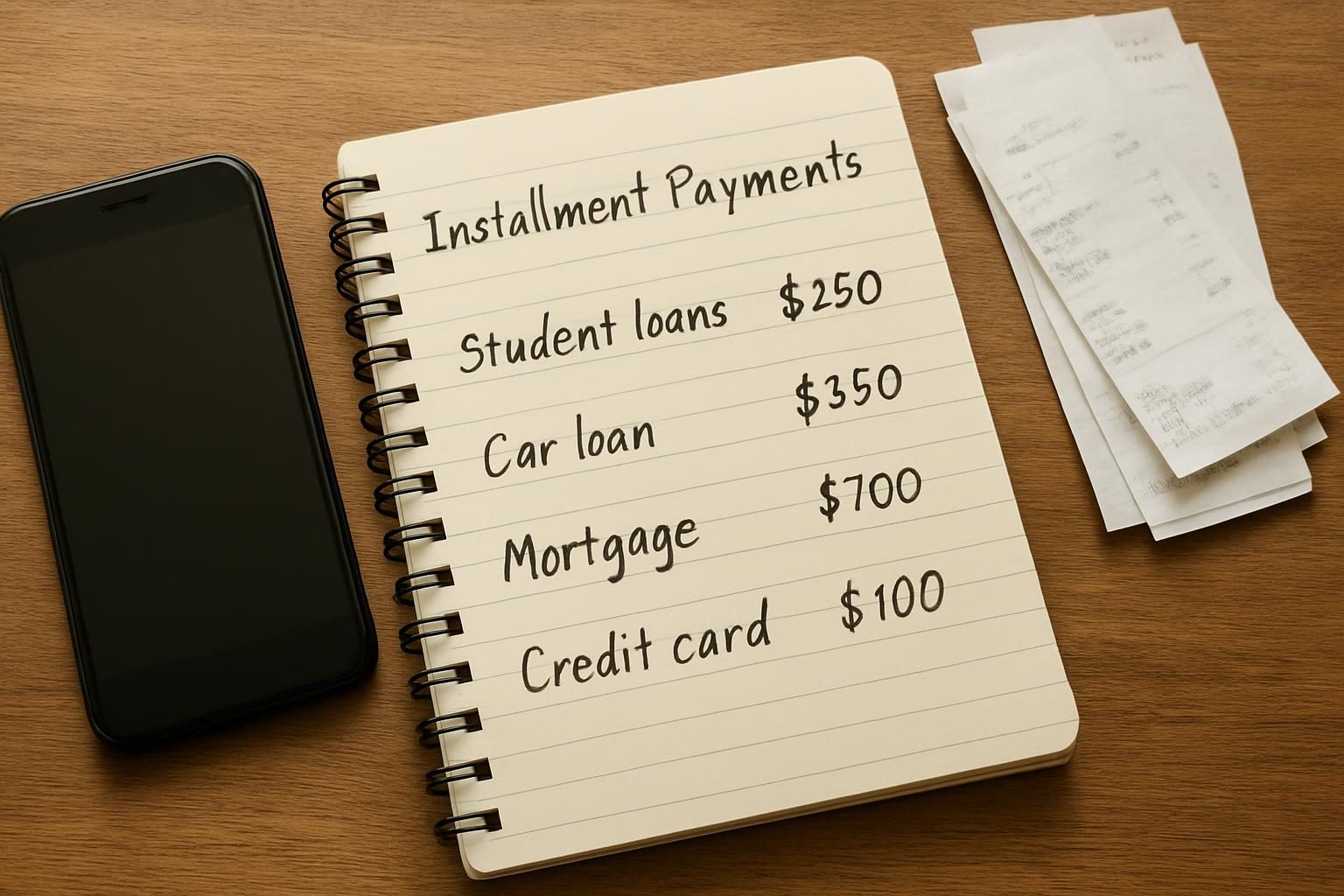
Each plan looks small on its own. The danger is the pile. Three or four plans with overlapping due dates can quietly eat a big slice of every paycheck.
Here is a quick example with made-up numbers for illustration:
- Sneakers: 3 payments of $25 left
- Furniture plan: 8 payments of $60 left
- Phone accessory: 2 payments of $15 left
That is $75 + $480 + $30 = $585 still owed, with about $100 due in a typical month. None of those numbers feels scary individually. Together they are a monthly bill you may not have budgeted.
Small installments are easy to say yes to. The total you owe is the number that matters.
How to track multiple BNPL balances
You cannot pay off what you cannot see. Spend 15 minutes building one list.
- Open every BNPL app and email receipt. Klarna, Afterpay, Affirm and similar services each keep their own records.
- Write one line per plan. Include the merchant, remaining balance, payment amount, due dates and any interest rate.
- Add a total row. Total remaining balance and total due in the next 30 days.
- Mark the payment source. Note which card or bank account each plan draws from, so a low balance does not trigger a failed payment.
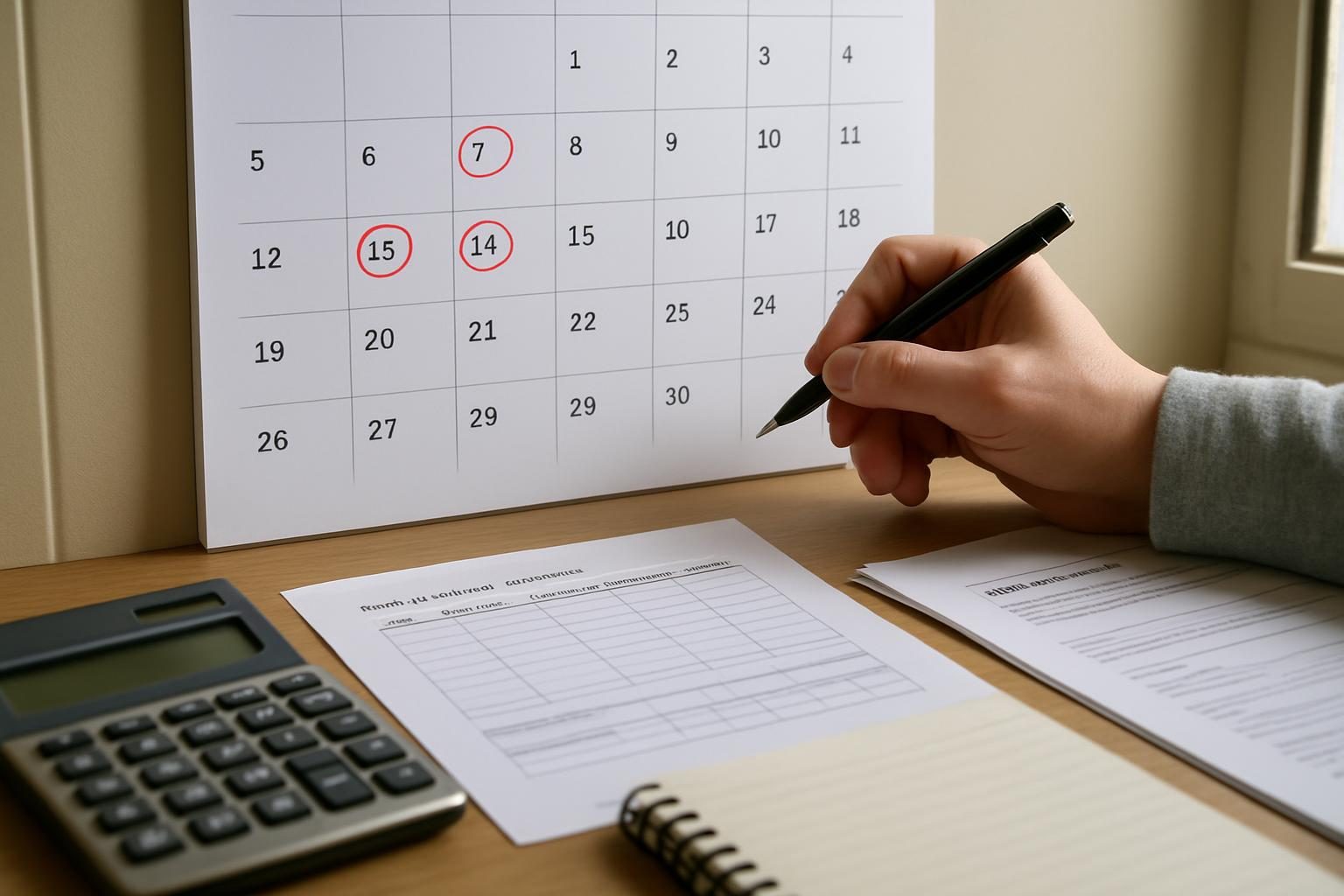
- Set calendar reminders. Even with autopay, a reminder two days before catches a surprise.
Our Debt Burn-Down Calculator and the printable debt snowball worksheet both work well for this. For the bigger picture on these balances, see our BNPL and other debt guide.
Pro tip: If your plans pull from a credit or debit card, check that card’s statement too. Some purchases show up there and in the app, and seeing both prevents you from forgetting a plan.
Early payoff options for a Klarna payment plan
Paying a plan off early is often possible, but the rules vary by plan type. Check your Klarna app or the terms for your specific purchase before you act.
- Pay in 4: Many plans let you make an early payment toward an upcoming installment. This can clear the plan sooner, though it does not usually save money because there is no interest to cut.
- Interest-bearing financing: Paying early may reduce the total interest you owe. Confirm whether the plan uses simple interest and whether any early payoff fee applies.
- Returns: If you return an item, the plan balance is typically adjusted by the merchant and Klarna. Keep paying on schedule until you see the refund reflected.
Because most short plans carry no interest, paying early on those is mostly about freeing up cash flow and peace of mind. The real savings come from early payoff on plans that charge interest.
Paying off a 0% plan early saves no interest. Paying off an interest-bearing plan early can.
Fit BNPL into your debt snowball or avalanche plan
BNPL balances belong in the same plan as your credit cards and loans. Here is how to slot them in.
Snowball: smallest balance first
With the snowball method you list debts from smallest to largest and attack the smallest first. A BNPL plan with two payments left is often the smallest debt you have, so you can finish it quickly. Then roll that freed-up payment onto the next debt. Read more in debt snowball vs. avalanche.
Avalanche: highest rate first
With the avalanche method you rank by interest rate. Most 0% Pay in 4 plans land at the bottom, since they cost nothing extra. An interest-bearing Klarna plan may rank higher than some credit cards, so check the APR against your other debts.
Use the rollover
When a plan ends, do not spend the freed-up payment. Send it to the next debt. This is the idea behind debt stacking and the rollover payment, and it is how small wins snowball into bigger ones.
For a step-by-step build, follow our guide to making a debt payoff plan in one evening. If you want a dedicated walkthrough for this kind of balance, a buy now pay later payoff plan guide is on the way.
Stop stacking: rules to keep BNPL from growing
Paying off old plans does not help if new ones keep arriving. A few guardrails:
- Cap active plans. Pick a limit, such as two at a time, until your total is under control.
- Wait 24 hours. Put the item in your cart, then sleep on it before choosing a payment plan.
- Set a plan budget. Decide the most you will pay toward BNPL each month, and do not exceed it.
- Try a spending reset. A short debt payoff challenge can break the habit and free up cash.
Credit score effects of BNPL vary by provider and by how plans are reported, so check your plan terms rather than assuming either way. What is certain is that missed payments can lead to fees and collection steps, so on-time payments are the safe path.
If interest on your other cards is slowing everything down, you can request free options to lower your interest rate using the form on this page. For card comparisons, see our balance transfer guide.
FAQ
Does a Klarna payment plan charge interest?
It depends on the plan. Pay in 4 is commonly interest-free when paid on time, while longer financing may carry interest. The terms are shown before you confirm the purchase, so read them closely.
Can I pay off a Klarna plan early?
Often yes, but options vary. Check the Klarna app for your specific plan to see whether you can make an early payment and whether any fee applies.
Should I pay off BNPL before credit cards?
It depends on interest rates and balances. Small, nearly finished plans are good snowball targets, while an interest-free plan may rank below a high-APR credit card in an avalanche. Compare the rates and totals using a debt snowball calculator.
What if I cannot afford my next installment?
Contact the provider before the due date to ask about your options, and consider a nonprofit credit counselor if your total debt feels unmanageable. See our overview of where to get help paying off debt. This article is educational, not financial advice, so consider speaking with a qualified professional about your situation.
See free options to lower your interest rate
A partner will share free, no-obligation options to lower your interest rate, so you can pay down BNPL and other balances faster.


