Quick answer: The average auto loan APR depends mostly on your credit score and whether the car is new or used. Borrowers with top-tier credit typically see rates in the mid single digits on new cars, while subprime borrowers can pay several times that, and used-car loans run higher at every tier. Check the latest published figures, then shop lenders before you sign, because the dealer’s first offer is rarely your best one.
Key takeaways
- Credit tier is the biggest driver of your APR, followed by new vs. used, loan term and down payment.
- Used-car loans almost always carry higher rates than new-car loans in the same credit tier.
- A few percentage points of APR can mean thousands of dollars over the life of a loan.
- Pre-approval from a bank, credit union or online lender gives you a rate to beat before you step into a dealership.
- You can refinance later if your score improves or rates drop.
Knowing the average auto loan APR is useful only if you compare it to your own offer. Below you will find how rates break down by credit tier, where the numbers come from, and a step-by-step plan to land below average. Think of a car loan as a debt you can attack with math, just like any other balance.
Ready to see what rate you could actually qualify for? Request free, no-obligation rate options using the form on this page.
What Is the Average Auto Loan APR Right Now?
Averages move with Federal Reserve policy, lender competition and the credit mix of borrowers in a given quarter, so any single number goes stale quickly. Rather than quote a figure that may be out of date, use the sources that publish it regularly and note the date on the report.
Reliable places to check current averages:
- Federal Reserve: The Fed’s G.19 Consumer Credit release reports average finance rates on auto loans at commercial banks and at auto finance companies. See the Federal Reserve G.19 release.
- Experian’s State of the Automotive Finance Market: A quarterly report with average APRs by credit tier (super prime through deep subprime), split into new and used vehicles. Always check the quarter it covers.
- Edmunds and similar industry research: Publish periodic averages and the share of buyers paying high rates.
Our own walkthrough on how to check current auto loan rates before you shop shows how to pull your real offers, not just averages.
Average Auto Loan APR by Credit Score Tier
Lenders sort borrowers into tiers. The exact score cutoffs vary by lender, but the commonly used ranges look like this, and the pattern is consistent: each step down in credit costs you meaningfully more.
- Super prime (roughly 781-850): The lowest rates available, often in the low-to-mid single digits for new cars.
- Prime (roughly 661-780): Slightly higher than super prime, still competitive.
- Near prime (roughly 601-660): Rates commonly climb into the high single digits to low double digits.
- Subprime (roughly 501-600): Often well into double digits.
- Deep subprime (300-500): The highest rates, sometimes approaching or exceeding 20% on used cars.
These ranges are general estimates drawn from the pattern reported in Experian’s quarterly auto finance reports and Federal Reserve data. Look up the latest quarter for exact tier averages, since they shift every few months.
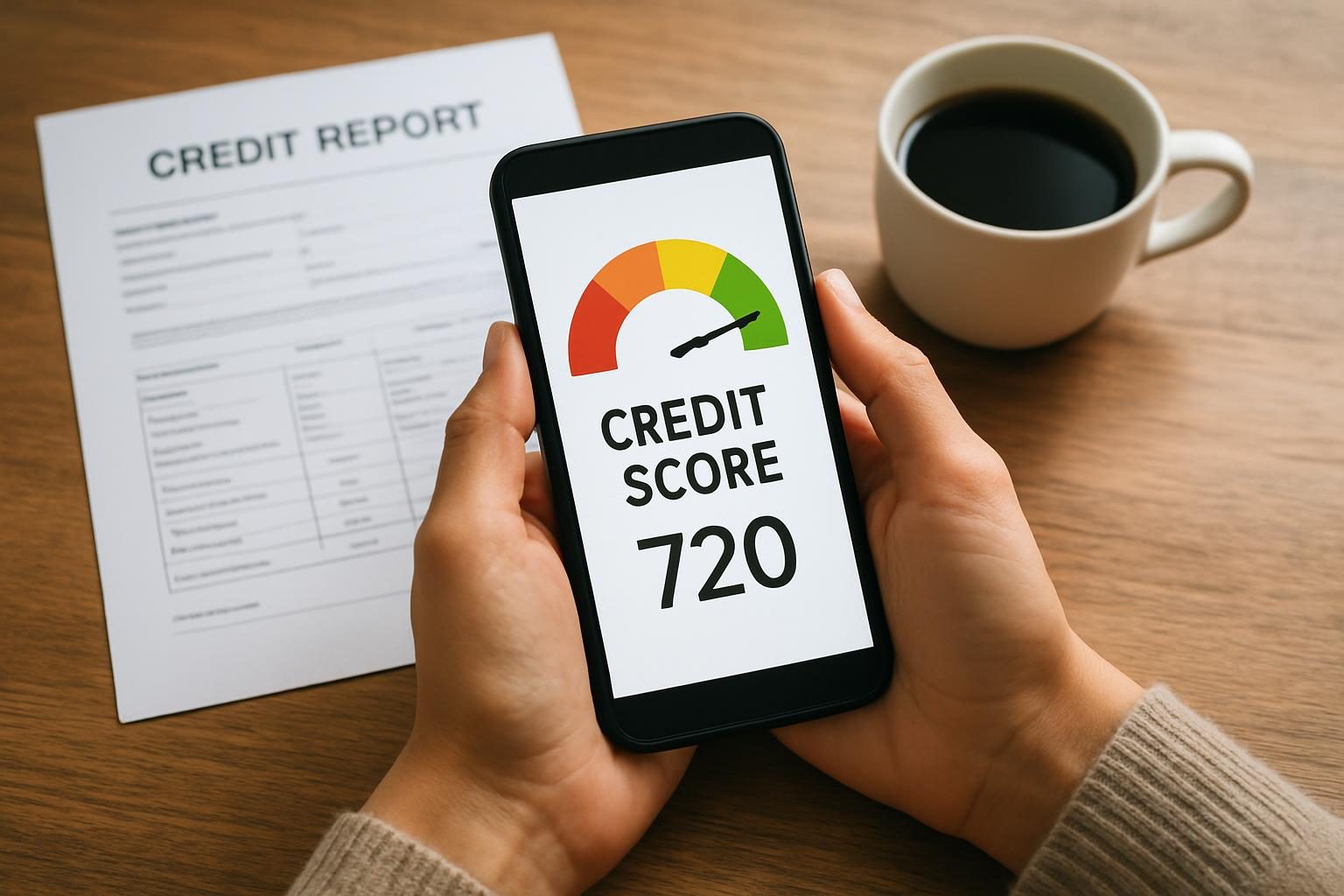
Two borrowers can buy the same car on the same day and pay thousands of dollars apart purely because of credit tier.
New vs. Used: Why Used Car Loans Cost More
Used-car loans carry higher APRs than new-car loans in nearly every tier. Lenders see used vehicles as riskier collateral: they depreciate unpredictably, have more mechanical uncertainty and often sell at smaller dollar amounts with shorter terms.
Factors that push used-car rates up:
- Vehicle age and mileage: Older cars with high mileage may be limited to higher-rate programs.
- Dealer vs. private sale: Private-party purchases may need a different type of loan with less favorable terms.
- Manufacturer incentives: New cars sometimes qualify for promotional low or 0% financing through the automaker’s finance arm. Used cars rarely do, except certified pre-owned programs.
For a deeper look, see our guide to used car loan rates and how to get a lower APR.
What a Few Points of APR Really Cost You
Here is the math-first view. Take a $30,000 loan over 60 months. These are illustrative calculations using the standard loan payment formula:
- At 6% APR: about $580 per month, roughly $4,800 in total interest.
- At 10% APR: about $637 per month, roughly $8,200 in total interest.
- At 15% APR: about $714 per month, roughly $12,800 in total interest.
Moving from 15% to 6% on that loan saves around $8,000 in interest and about $134 a month. That is money you could put toward other balances using a debt payoff plan.
Want to run your own numbers? The Debt Burn-Down Calculator shows how rate and payment change your payoff date.
How to Qualify for a Lower Auto Loan APR
You cannot control the market, but you control most of what lenders look at. Work through these steps in order.
- Check your credit reports. Pull your free reports at AnnualCreditReport.com and dispute errors. A wrong late payment can drop you a tier.
- Know your score and tier. Many banks and card issuers show a free score. Auto lenders may use an industry-specific score, which can differ from the one you see.
- Pay down card balances first. Lower credit utilization can lift your score within one or two billing cycles.
- Get pre-approved before the dealership. Apply to a credit union, your bank and an online lender. Auto loan inquiries made in a short window (commonly 14 days, though scoring models vary) are typically treated as a single inquiry for scoring.
- Make a larger down payment. Putting 10-20% down lowers the lender’s risk and your loan-to-value ratio, which can reduce your rate.
- Choose a shorter term if you can afford it. Shorter loans usually carry lower APRs and always cost less interest overall.
- Consider a co-signer with strong credit, understanding they share legal responsibility for the debt.
- Negotiate the price and the financing separately. Settle the car’s price first, then compare financing offers.
Pro tip: Ask the dealer to beat your pre-approval. Dealers often have access to multiple lenders and may be able to match or undercut your best offer, but only if you walk in with one.
Already Have a Loan? Refinancing Can Lower Your Rate
If your credit has improved or market rates have dropped since you bought, refinancing may cut your APR. It works best early in the loan, when most of your payment is still going to interest.
- Run the break-even math using our guide to auto loan refinance break-even.
- Check for fees and read the fine print on car loan prepayment penalties first.
- If you owe more than the car is worth, see your options in negative equity car loan strategies.
For the full picture on paying a car loan down faster, start with our car loan payoff guide. Planning your next move? You may also want to read about the average auto loan length before choosing a term.
Common Mistakes That Raise Your Rate
- Focusing only on the monthly payment. A longer term can shrink the payment while inflating total interest.
- Accepting the first offer. Dealer-arranged financing may include a markup over the lender’s approved rate.
- Applying in scattered weeks. Spread-out applications can create multiple hard inquiries.
- Rolling negative equity into a new loan. This raises the amount financed and your risk profile.
If you are ready to compare real offers, request free options to lower your interest rate using the form on this page. For a broader look at how our partners’ options fit together, visit lower your rate.
Frequently Asked Questions
What is a good APR for a car loan?
A good APR is one at or below the published average for your credit tier and vehicle type (new or used). Compare your offer to the latest Experian or Federal Reserve data, and to pre-approvals from at least two other lenders.
Does my credit score affect my auto loan rate that much?
Yes. Credit tier is typically the largest factor. The gap between top-tier and subprime borrowers can be ten percentage points or more, which can add up to many thousands of dollars in interest.
Is it better to get financing from the dealer or a bank?
Neither is always better. Get a pre-approval from a bank or credit union first, then let the dealer try to beat it. Choose whichever offers the lowest APR with fair terms and no unnecessary add-ons.
Can I lower my rate after I buy the car?
Often, yes. If your credit score has improved or rates have fallen, refinancing can reduce your APR. Check for prepayment penalties and calculate the break-even point before you apply. This article is educational and not financial advice, so consider speaking with a qualified professional about your situation.
See if you can get a lower auto loan rate
We’ll connect you with partner options to review, free and with no obligation.


