
Quick answer: A student loan grace period is a window after you leave school (usually six months for federal loans) before required payments begin. On many loans, interest keeps building during that time, and unpaid interest can be added to your balance later. Paying even a small amount during the grace period, especially toward interest, can lower what you owe over the life of the loan.
Key takeaways
- Most federal loans have a six-month grace period, but it is a pause on payments, not always a pause on interest.
- Unpaid interest can capitalize (get added to your principal) and then earn interest itself.
- Paying accrued interest before repayment starts is one of the cheapest ways to get ahead.
- Private loans have their own rules, so read your loan terms instead of assuming.
- Use the grace period to build a payoff plan before your first bill arrives.
The grace period feels like a gift, and in some ways it is. But treated as a free pass, it can quietly make your loans more expensive. Here is how it works and how to turn it into a head start.
Want to see whether a lower rate could shrink your balance faster? You can request free options to lower your interest rate using the form on this page.
What Is a Student Loan Grace Period?
A grace period is the time between when you graduate, leave school, or drop below half-time enrollment and when your first required payment is due. It gives you room to find a job and set up your budget.
The length depends on the loan type. These are the general federal rules, but always confirm on your servicer’s account page or at StudentAid.gov:
- Direct Subsidized and Unsubsidized Loans: typically six months.
- Federal Perkins Loans: typically nine months (the program has ended, but older loans still exist).
- Direct PLUS Loans for graduate students: generally enter repayment right away unless you request a deferment.
- Parent PLUS Loans: usually no grace period, with similar deferment options while the student is in school.
- Private loans: varies by lender, from none to around nine months or more.
For a deeper look at your options once repayment starts, see our student loan payoff guide.
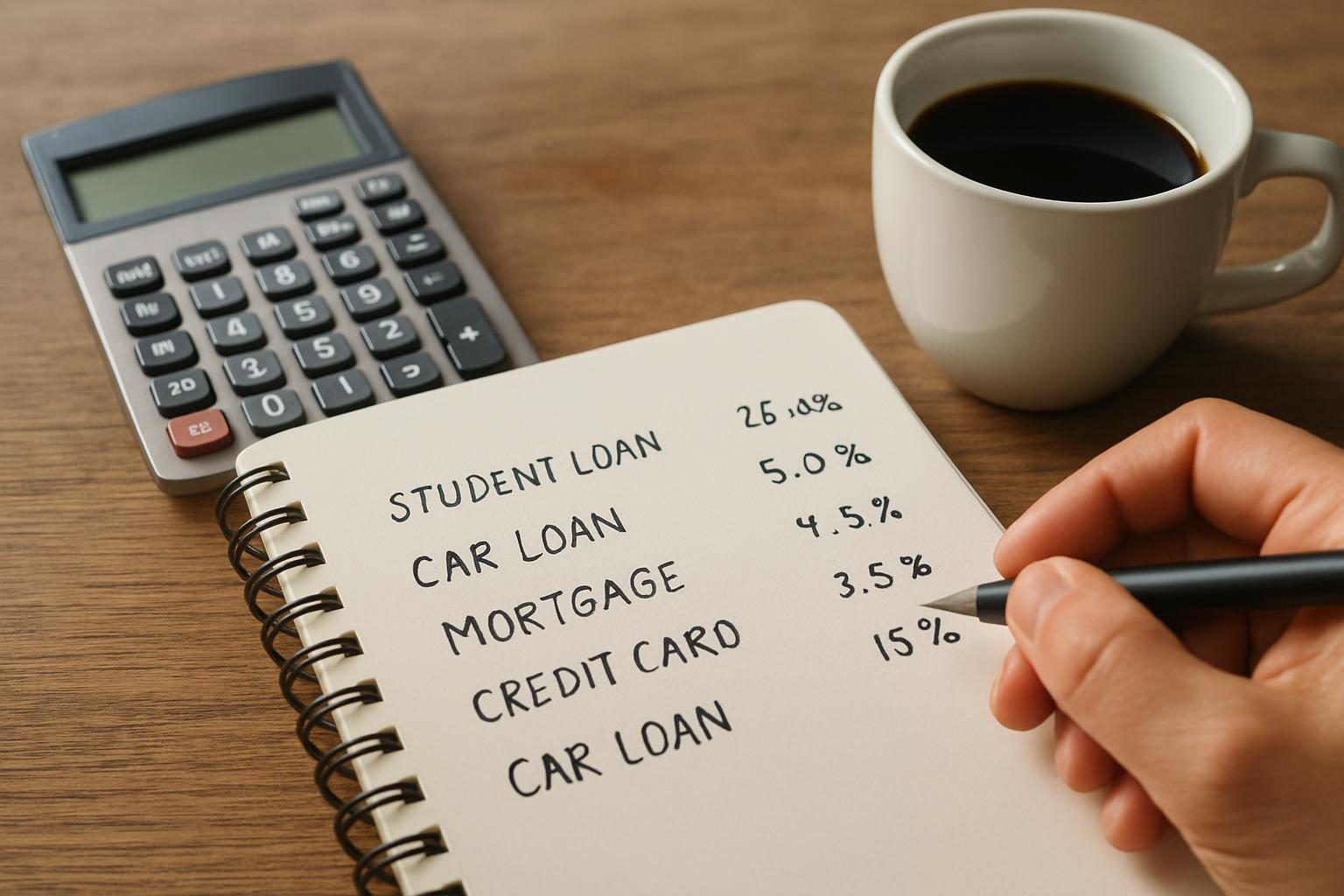
Does Interest Accrue During the Student Loan Grace Period?
It depends on the loan, and this is where many borrowers get surprised.
- Subsidized loans: the government has historically covered interest during the grace period. Note that this benefit applies to older subsidized loans; loans first disbursed on or after July 1, 2012 no longer receive grace period interest coverage, so check your specific loans.
- Unsubsidized loans: interest accrues from the day the money is disbursed, including through school and the grace period.
- Private loans: interest almost always accrues, and some lenders let you pay it while you are in school.
When the grace period ends, unpaid interest on many federal loans is added to your principal. That is called capitalization, and from then on you pay interest on a bigger number.
A simple example (estimates)
Say you have $30,000 in unsubsidized loans at 6.5%. Interest accrues at roughly $5.34 per day, or about $160 per month. Over a six-month grace period, that is around $960 in interest.
If it capitalizes, your balance becomes about $30,960 when repayment begins. You now pay 6.5% on $960 of interest, roughly $62 more per year, for as long as that balance sits there. Pay the $960 up front and that never happens.
Interest you ignore during grace does not disappear; it can turn into principal and start earning interest of its own.
How Early Payments During the Grace Period Help
You are not required to pay during grace, but you are allowed to, and there is no penalty for prepaying federal or most private student loans. The benefit comes from two places.
- You stop capitalization. Paying accrued interest keeps your principal from growing.
- You shrink principal sooner. Every dollar that hits principal early reduces the interest charged on every later day.
Even modest amounts matter. Paying $100 to $200 a month during a six-month grace period, as an illustration, can cover most or all of the interest on a mid-sized loan balance. You can test your own numbers with our student loan extra payment calculator.
Pro tip: Before sending money, check how your servicer applies payments. Extra payments sometimes get spread across all loans or applied to the next due date. Our guide on how to make extra student loan payments so they hit principal walks through the steps.

Student Loan Grace Period Strategy: A Step-by-Step Plan
Use these six months like a training camp. Here is a practical order of operations.
- List every loan. Log in to StudentAid.gov for federal loans and check your credit report for private ones. Note the balance, rate, servicer, and loan type.
- Find your grace end date. Your servicer should show it. Put it on your calendar, plus a reminder one month earlier.
- Calculate monthly interest. Multiply the balance by the rate and divide by 12. That is your minimum “stay even” payment.
- Pay the interest first. If cash is tight, cover the highest-rate loan’s interest before others.
- Add extra principal if you can. Once interest is covered, aim extra dollars at the highest-rate loan (the avalanche approach).
- Set up autopay before repayment begins. Many federal servicers offer a small rate discount for autopay, so confirm with yours.
Not sure whether to go avalanche or snowball? Our debt payoff plans guide compares both with real numbers.
Six months of small interest payments can save more than a year of scrambling after the bills start.
When Not to Rush: Priorities Before Early Payments
Paying student loans early is smart, but it is not always the first move. Weigh these first.
- Emergency cushion: without a basic savings buffer, one surprise bill can push you onto a credit card.
- Higher-rate debt: credit cards often charge far more than student loans. Pay those first if the rates are higher.
- Federal protections: if you may pursue income-driven repayment or forgiveness, aggressive prepayment may not make sense. Read student loan forgiveness vs payoff before deciding.
- Employer matches: a 401(k) match is typically worth capturing before extra loan payments.
If you are still deciding, should you pay off student loans early lays out the trade-offs. And if you are juggling cards too, this planned guide on whether to pay off a credit card or student loan first will help you rank them.
Should You Refinance During the Grace Period?
You can refinance federal or private loans into a new private loan at any time, including during grace. A lower rate can cut total interest, but there is a serious catch: refinancing federal loans into a private loan means losing federal benefits like income-driven repayment and federal forgiveness programs.
Refinancing tends to make sense when you have a stable income, solid credit, and no plan to use federal protections. Our breakdown of when student loan refinancing saves money and when it backfires covers the math.
Curious what rates you might qualify for? You can request free options to lower your interest rate from our partners, with no obligation. You can also browse the lower your rate page for an overview.
Frequently Asked Questions
How long is the student loan grace period?
For most federal Direct Loans, it is six months after you graduate, leave school, or drop below half-time. Private lenders set their own terms, so check your promissory note or lender portal.
Do I have to make payments during the grace period?
No, payments are not required during grace. But you can make them voluntarily, and doing so on unsubsidized or private loans can reduce the interest that builds up.
Can I lose my grace period?
Yes. Re-enrolling at least half-time generally pauses repayment and can use up or reset grace depending on the loan. Also, a loan that has been consolidated may end the remaining grace period, so check with your servicer before you consolidate.
Will extra payments during grace count toward the next due date?
It depends on your servicer. Ask them to apply extra funds to principal on your highest-rate loan and to not advance your due date, and confirm the allocation on your next statement.
Ready to see how much a lower rate could save before your first bill arrives? Request your free rate options using the form below. This article is educational, not financial advice; for decisions about forgiveness or federal benefits, consider speaking with your servicer or a qualified professional.
See free options to lower your student loan rate
Our partners will share free, no-obligation options to help you lower your interest rate before repayment starts.


