
Quick answer: Debt settlement means paying a creditor less than you owe, usually after you stop paying and build up a lump sum. It can shrink a balance, but it typically wrecks your credit for years, adds fees, can trigger a tax bill and may end in a lawsuit. For most people with steady income, cheaper options like a lower rate or a structured payoff plan come first.
Key takeaways
- Settlement usually requires you to stop paying creditors first, which causes late fees, collections calls and credit damage.
- Company fees are commonly a percentage of the debt enrolled or settled (often cited around 15% to 25%; treat this as an estimate).
- Forgiven debt over $600 may be reported to the IRS as taxable income.
- Nothing guarantees a creditor will agree to settle, and some sue instead.
- If you can still make payments, lowering your interest rate often beats settling.
This is a math-first site built around paying debt off in full, so we will be direct: settlement is a last-resort tool, not a shortcut. Still, it helps to understand it before you decide. If you would rather see lower-rate options first, you can request free options to lower your interest rate using the form on this page.
How Debt Settlement Works, Step by Step
Debt settlement is not one product. It is a strategy, and you can attempt it yourself or hire a company. The typical path looks like this:
- You stop paying (or are told to). Most settlement firms advise you to stop paying your unsecured debts, mainly credit cards and medical bills, so accounts become delinquent. Creditors are more willing to negotiate when they think they may collect nothing.
- You build a lump sum. Instead of paying creditors, you deposit money each month into a dedicated savings account. This can take 2 to 4 years, though timelines vary widely.
- Negotiation begins. Once enough cash has accumulated, the settlement company or you contact the creditor with an offer, often a fraction of the balance.
- A deal is struck, or it is not. If the creditor accepts, you pay the agreed amount and the account is reported as settled, not paid in full.
The crucial point: you take on all the risk during steps 1 and 2, before any deal exists.

What Debt Settlement Costs: Fees and Real Math
Settlement companies cannot legally charge fees before they actually settle a debt, under the Federal Trade Commission’s Telemarketing Sales Rule. Fees are usually charged per settled account, as a percentage of either the enrolled balance or the amount saved. These percentages are estimates and vary by company.
Here is a simple illustration with made-up round numbers:
- Enrolled debt: $20,000
- Settled for: 50% = $10,000
- Fee at 20% of enrolled debt: $4,000
- Total out of pocket: about $14,000, plus any tax owed on the $10,000 forgiven
That is a real saving on paper, but it ignores late fees and interest that piled up while you stopped paying. Those charges can inflate the balance you are negotiating down from, which shrinks the savings.
Pro tip: Before you sign anything, ask for the total cost in dollars, not percentages. Run your own numbers in the Debt Burn-Down Calculator to see what paying in full at a lower rate would cost by comparison.
A settlement that saves 40% on paper can shrink fast once fees, penalties and taxes are counted.
Credit Damage and Tax Consequences
The credit hit is the biggest hidden cost. Missed payments are reported as 30, 60, 90 and 120+ days late, and accounts may be charged off and sent to collections. A late payment can stay on your credit reports for up to seven years from the original delinquency, and settled accounts are marked as such.
Expect these effects:
- Score drop: Often substantial, especially if your score was good to begin with. Exact numbers depend on your history.
- Harder approvals: Higher rates or denials on cards, auto loans and mortgages while the marks are fresh.
- Collections activity: Calls, letters and potentially lawsuits.
Then there is the tax side. When a creditor forgives $600 or more, it may send you a Form 1099-C, and the forgiven amount can count as ordinary income. If you are insolvent (your debts exceed your assets) at the time, an exclusion may apply. The IRS explains the rules on its canceled debt topic page, and a tax professional can tell you how it applies to you.
The Risks of Stopping Payments
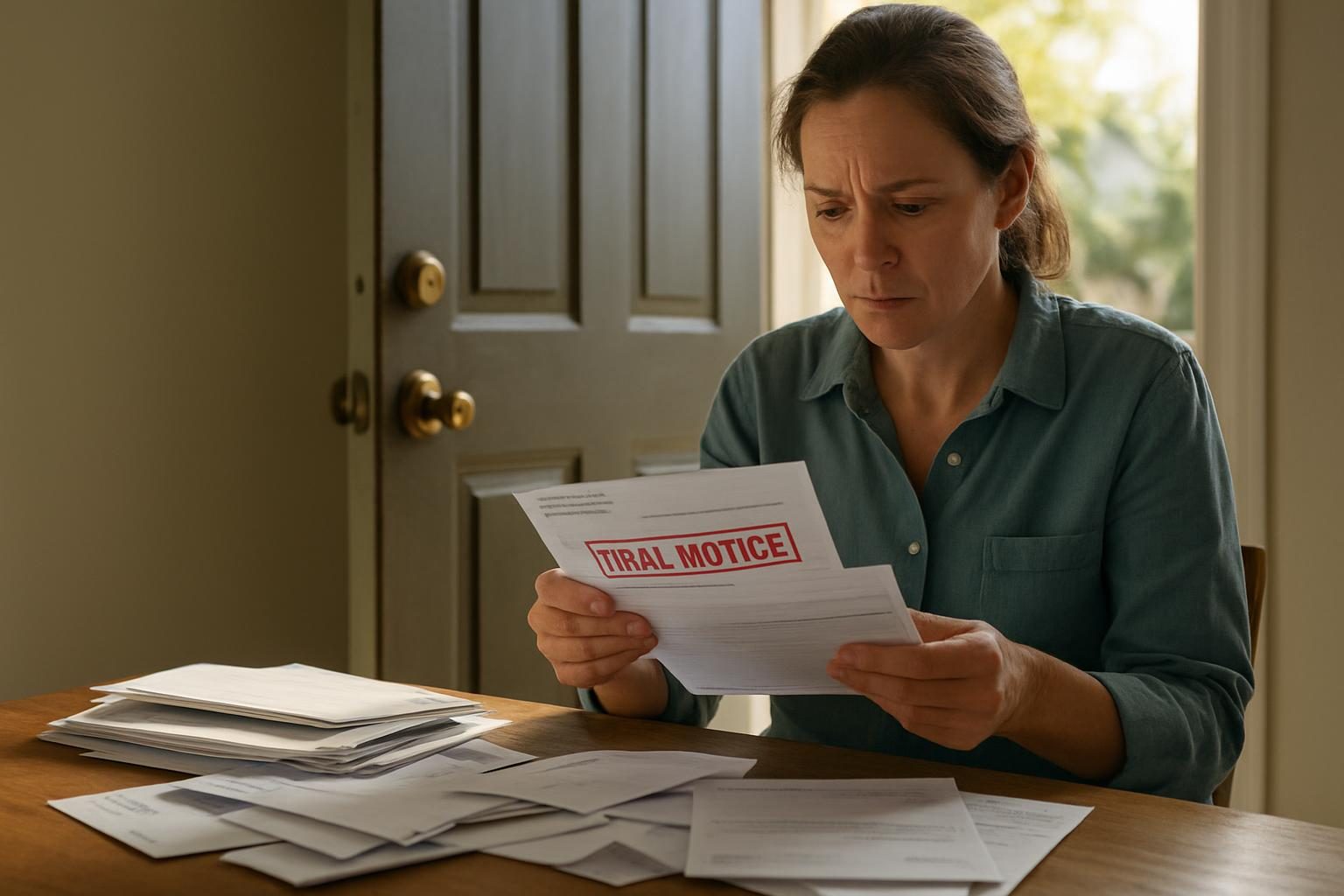
This is where settlement goes wrong for many people. Because the strategy depends on delinquency, you are gambling that creditors will cooperate.
- Lawsuits: A creditor or debt buyer can sue, and a judgment may lead to wage garnishment or a bank levy, depending on your state’s laws.
- No guaranteed deal: Creditors are not required to negotiate. Some refuse, and some accounts get sold to collectors.
- Growing balances: Interest and fees keep accruing while you save.
- Dropping out: If you cannot keep depositing money, you may end up with damaged credit, bigger balances and nothing settled.
- Scams: The FTC warns against companies that demand large upfront fees or promise guaranteed results. See the FTC’s guidance on debt relief scams.
Settlement asks you to take on certain damage today in exchange for an uncertain discount later.
Who Might Consider Debt Settlement
Settlement can make sense in narrow situations, such as:
- You are already far behind and cannot realistically repay the full balance.
- You have a major hardship, like job loss or medical crisis, and bankruptcy is the alternative.
- Most of your debt is unsecured (cards, personal loans, medical bills), not a mortgage or car loan you want to keep.
- You have accepted the credit consequences and have a plan for rebuilding.
If you are current on payments and earn a steady income, it is usually not the right first move.
What to Compare Debt Settlement Against
Before settling, price out the alternatives. Many keep your credit intact and cost less overall:
- Lower interest, same debt: A 0% balance transfer card can pause interest for a promo window. Check the balance transfer limits if your debt is large.
- Consolidation loan: A fixed-rate loan can turn several cards into one payment. See the consolidation loan versus balance transfer comparison to see which costs less.
- Debt management plan: A nonprofit credit counselor may negotiate lower rates without you stopping payments. Read about debt management plans and credit counseling.
- DIY payoff plans: The snowball and avalanche methods in our debt payoff plans guide cost nothing and build momentum.
- Bankruptcy consultation: For overwhelming debt, a licensed bankruptcy attorney can explain your options.
Our overview of where to get help paying off debt lays these options side by side. If you are still weighing a move to a lower rate, a future guide on how to negotiate a lower credit card interest rate can be a good next read.
A Simple Decision Test
Ask yourself these questions in order:
- Can I make minimum payments if my interest rate dropped? If yes, try a transfer, consolidation or counseling plan first.
- Is my debt unsecured and truly unaffordable even at a lower rate? If yes, settlement or bankruptcy may deserve a closer look.
- Can I handle collections calls, a lower credit score and a possible lawsuit? If not, settlement is risky.
- Have I priced the total cost, including fees and taxes, against paying in full? If not, do that math before deciding.
Many readers find a lower rate solves the problem without the fallout. To see what you might qualify for, request your free options to lower your interest rate before committing to settlement.
Frequently Asked Questions
Is debt settlement a good idea?
Sometimes, but rarely as a first choice. It can reduce what you owe, yet the credit damage, fees, possible taxes and legal risk often outweigh the savings. Compare it with rate reduction and payoff plans first, and consider speaking with a qualified professional.
How much does debt settlement hurt your credit?
It depends on your starting score and history, but the drop can be significant because settlement usually involves missed payments, charge-offs and a “settled” notation. Negative items can remain on your reports for up to seven years.
Do I have to pay taxes on settled debt?
Possibly. Forgiven debt of $600 or more may be reported on a Form 1099-C and counted as income, unless an exclusion such as insolvency applies. A tax professional can review your situation.
Can I negotiate a settlement myself?
Yes. You can contact creditors directly, and some will accept a reduced lump sum. You avoid company fees, but you still face the credit and tax consequences, and there is no guarantee of success.
See free options to lower your interest rate
A partner will review your options with you for free, with no obligation to accept any offer.


